I get a version of the same phone call every week: someone found a great-looking house in Buckeye online, the price is right, and they want to know if they should actually do it. Buckeye's growth story is real — it's been one of the fastest-growing cities in the United States for most of the past decade. But "fast-growing" and "right for you" are two different questions. Here's what I tell clients before they make the move, not just the highlight reel.
Buckeye Is Growing Faster Than Almost Anywhere Else
Buckeye's 2026 population sits at roughly 132,000, up more than 40% since the 2020 census — and it's still one of the fastest-growing cities in Arizona, trailing only Phoenix and Surprise in raw numeric growth over the past year. That growth is why you're seeing so many new master-planned communities, new schools, and new retail breaking ground at once. It also means the city you visit today will look different in five years — more built out, busier, and with more of the amenities that are currently "coming soon."
What Homes Actually Cost Right Now
As of 2026, the typical home value in Buckeye runs around $400,000 to $430,000, depending on the source and the month, and prices have actually softened slightly over the past year as new-construction inventory has climbed — meaning buyers currently have more room to negotiate than they did a couple of years ago. Three-bedroom homes have generally traded in the mid-$300,000s to mid-$400,000s, with four-bedroom homes often landing in the $415,000-$625,000 range. Homes are also sitting on the market longer than in the frenzy years — around 80-85 days on average — which is good news if you're the one buying.
The Commute Is the Thing People Underestimate Most
Downtown Phoenix is roughly 30-40 miles from most of Buckeye, and that translates to a 35-50 minute drive via I-10 depending on where in the city you land and what time you're driving. Buckeye's average reported commute time is just over 30 minutes — longer than the national average — and the vast majority of residents drive alone, since public transit options are limited. Loop 303 has made getting around the West Valley itself considerably easier, but if your job is in Tempe, Scottsdale, or downtown Phoenix, I always tell people to drive the actual commute at actual rush hour before they sign anything. It reads very differently on a map than it does at 7:45 a.m. on the 10.
Water Is a Conversation Worth Having, Not Avoiding
This is the one people are least likely to ask about, and I think they should. Buckeye's explosive growth has put real pressure on groundwater supply, and some outlying, newer-platted areas have faced state-level restrictions on approving new subdivisions until they can demonstrate a secured, long-term water source. That doesn't mean established communities are at risk — places like Verrado and Tartesso have their water portfolios secured and haven't been affected — but it does mean that if you're looking at a newer or more remote development, it's worth asking directly what the community's water source is and whether it's been certified under Arizona's Assured Water Supply program. It's a five-minute conversation that can save you a lot of uncertainty later.
Cost of Living Is Genuinely Lower, With a Few Exceptions
Buckeye's overall cost of living runs somewhat below the Arizona average, driven mostly by housing costs that are meaningfully lower than Phoenix, Scottsdale, or Goodyear. Where it doesn't feel cheaper: utilities. Arizona ranks among the higher-cost states for water nationally, and summer electric bills climb fast once you're running AC around the clock from June through September. Budget for a noticeably higher utility bill in the peak summer months than you might expect coming from a milder climate.
New Construction Means New-Construction Timelines
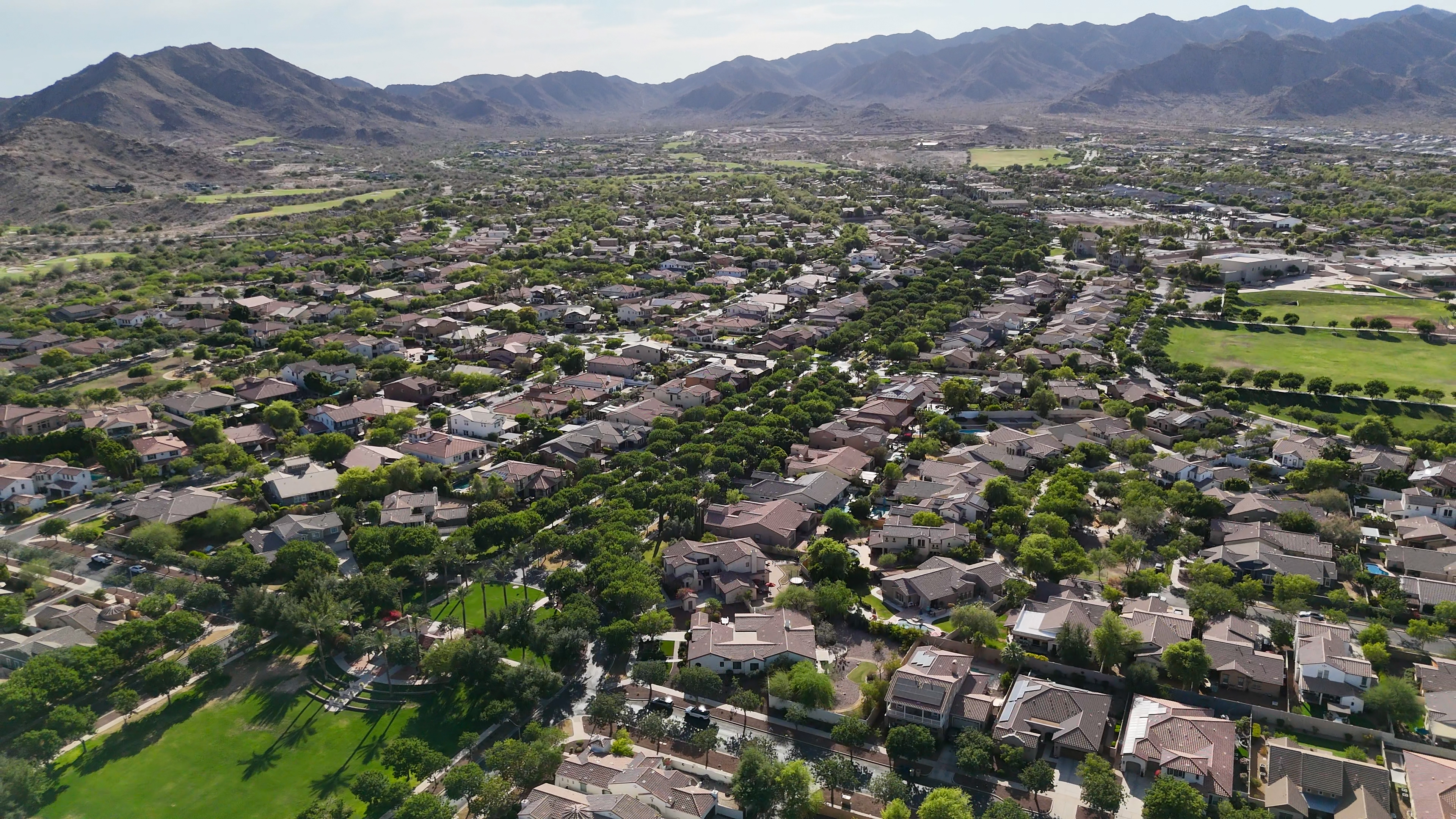
A lot of Buckeye's inventory is new or newer construction from builders like Meritage, Lennar, KB Home, and Toll Brothers, spread across communities like Tartesso, Verrado, and a steady pipeline of emerging neighborhoods. That's great for buyers who want modern floor plans and builder warranties, but it also means you may be living next to active construction for a while, and community amenities that look finished in the rendering may still be a year or two from completion. Ask a builder directly what phase you're buying into and what's actually built versus planned.
Schools and Everyday Life Are Catching Up Fast
The Buckeye Valley area is adding schools as quickly as it's adding rooftops, and newer communities generally have access to well-regarded, recently built campuses. Retail and dining are following the same pattern — improving quickly but unevenly, with some pockets of the city still requiring a short drive for grocery runs or a night out. Buckeye also hosts MLB spring training for the Chicago White Sox and Kansas City Royals, which brings a surprising amount of energy, and eventually restaurants and hospitality investment, to the area every spring.
Who Buckeye Actually Fits
In my experience, Buckeye works best for buyers who want new construction and modern amenities at a price point that's simply not available closer to central Phoenix, families who are comfortable with their community still growing in around them, and anyone who can work remotely or has some flexibility around commute timing. It's a tougher fit if you need a short, predictable drive into central Phoenix every day, or if you want a fully built-out retail and dining scene the moment you move in.
My Bottom Line
Buckeye earns its reputation as one of the best-value markets in the West Valley of Phoenix, and most of my clients who move here end up glad they did. But I'd rather have the honest conversation upfront — about the commute, the water questions in certain areas, and what's actually built versus still under construction — than have someone find out after closing. If you go in with clear eyes, it holds up.
Thinking about relocating to Buckeye and not sure which community fits your budget and commute? I can walk you through the real tradeoffs, builder by builder and neighborhood by neighborhood.
Reach Out With What You're Looking ForFrequently Asked Questions
Is Buckeye, Arizona a good place to move?
For many buyers, yes — Buckeye offers newer construction, homes priced well below the Phoenix metro median, and a family-friendly, master-planned lifestyle. The tradeoffs are a longer commute into central Phoenix, a still-developing retail and dining base in some pockets, and long-term water supply questions that are part of any honest conversation about the city's growth.
What is the median home price in Buckeye, AZ?
As of 2026, the typical home value in Buckeye is around $400,000-$430,000, depending on the source and month measured — meaningfully below the broader Phoenix-metro median. Three-bedroom homes have generally sold in the mid-$300,000s to mid-$400,000s, with four-bedroom homes running higher.
How long is the commute from Buckeye to Phoenix?
Downtown Phoenix is roughly 30-40 miles from most of Buckeye, typically a 35-50 minute drive via I-10 depending on which part of the city you're in and the time of day. The average commute time reported for Buckeye residents overall is just over 30 minutes, longer than the national average.
Does Buckeye, Arizona have enough water?
Water is a real, ongoing conversation in Buckeye and across the West Valley. Some outlying areas have faced restrictions on new development tied to groundwater supply, while established master-planned communities with secured water portfolios, like Verrado and Tartesso, have not been affected the same way. Buyers should ask specifically about a community's water source before purchasing in newer or more remote developments.
Curious what a home in your target West Valley community would actually cost?
Get a Free Home ValuationSources: Buckeye, Arizona Population 2026 — World Population Review; City of Buckeye — Fastest Growing Cities News; Buckeye, AZ Housing Market — Zillow; Buckeye Housing Market 2026 — Loqol; Buckeye's Water Supply Challenges — ASU Water Blueprint; Cost of Living in Buckeye, AZ — Wise; Cost of Living Index — ERI. Information deemed reliable but not guaranteed; prices, water designations, and construction timelines change and should be reconfirmed before making an offer. Faith Vance, REALTOR® | 3rd Base Realty Group, LLC | AZ License SA633174000 | ARMLS Member. Equal Housing Opportunity.